
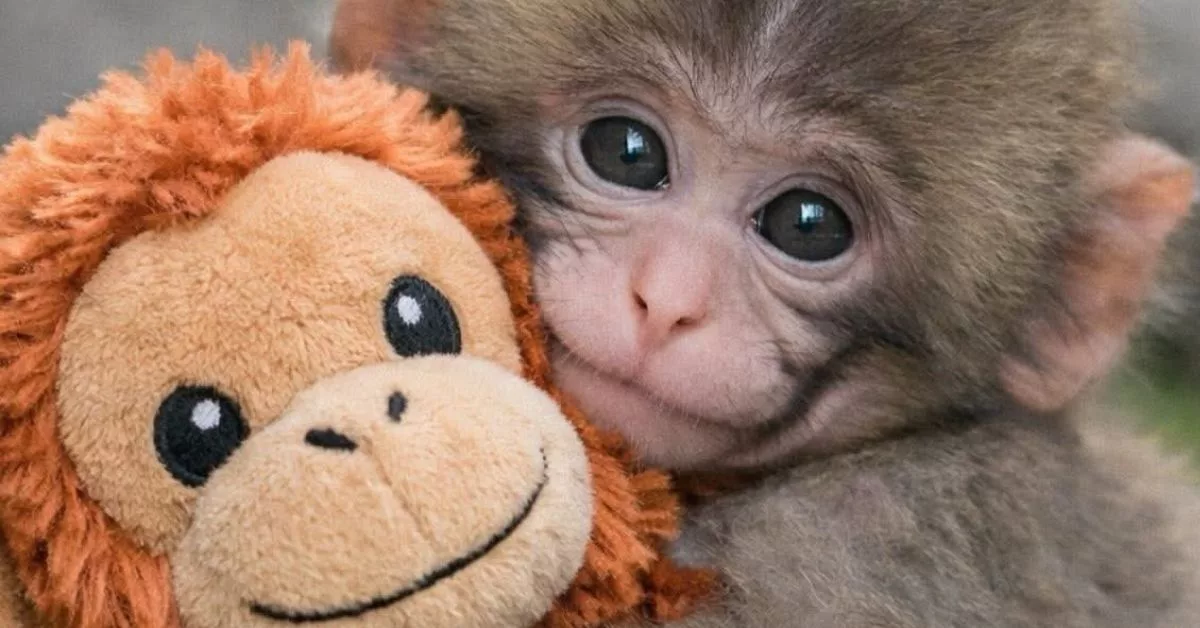
Shocking “Baby Monkey Viral Video” Triggers Animal Welfare Debate
A Baby Monkey viral video has ignited massive outrage across social media platforms. The footage allegedly shows a baby monkey being punched and bullied inside a zoo in Japan. As a result, animal welfare advocates quickly raised serious concerns. The clip spread rapidly, triggering emotional reactions worldwide.
The incident has sparked heated discussions about zoo management and animal protection standards. Many viewers expressed anger and disappointment. Meanwhile, others demanded strict investigations and accountability. The emotional intensity of the video fueled public backlash.
Table of Contents
What the Viral Footage Shows
The video reportedly captures a young monkey inside an enclosure. In the clip, the baby monkey appears to be attacked by another monkey. Viewers claim the smaller animal is punched repeatedly. Consequently, the baby monkey seems frightened and distressed.
The short clip lacks full context. However, its disturbing visuals were enough to provoke outrage. Social media users immediately shared the footage across platforms. As a result, it gained millions of views within hours.
The emotional response was swift. Many people described the scene as heartbreaking. Furthermore, several users called for authorities to intervene.
Public Reaction and Online Backlash
Social media played a major role in amplifying the issue. Twitter, Instagram, and other platforms flooded with reactions. Animal lovers strongly condemned the incident. Additionally, hashtags demanding justice began trending.
Many users questioned the zoo’s supervision practices. Others criticized the safety conditions of captive animals. Consequently, the debate expanded beyond the specific incident. It evolved into a broader discussion about animal welfare in zoos.
Online petitions also emerged. People demanded immediate investigations and transparent reporting. Meanwhile, animal rights activists highlighted similar past controversies.
Concerns Over Animal Welfare Standards
The incident has reignited concerns about animal treatment in captivity. Critics argue that zoos must ensure proper monitoring of animal behavior. They insist that baby animals require extra protection. Therefore, any sign of aggression must be addressed quickly.
Animal behavior experts note that such aggression can occur naturally. However, they stress that controlled environments require careful oversight. Without proper supervision, vulnerable animals may face harm.
Furthermore, activists argue that zoos must provide enriched environments. Enrichment reduces stress and aggressive tendencies. Consequently, many believe improved habitat conditions could prevent such incidents.
Calls for Investigation and Transparency
After the video went viral, public pressure intensified. Many demanded official clarification from zoo authorities. Transparency became a central issue. People wanted to know whether staff intervened promptly.
Critics insist that institutions must release clear statements. They believe public trust depends on accountability. Therefore, detailed explanations are essential.
Additionally, experts emphasize the importance of reviewing internal safety protocols. Regular monitoring and behavioral assessments remain critical. Such measures help protect young and vulnerable animals.
Understanding Animal Behavior in Captivity
While outrage dominates the conversation, experts encourage balanced understanding. Monkeys naturally establish dominance hierarchies. Therefore, occasional aggression may occur. However, captivity changes group dynamics significantly.
Limited space may increase stress levels. Moreover, environmental factors influence behavior patterns. Consequently, careful management becomes crucial in zoo settings.
Veterinarians and animal behavior specialists stress early intervention. Prompt separation of aggressive individuals prevents escalation. Furthermore, proper training of staff ensures swift action.
Global Debate on Zoos and Ethical Responsibility
This viral incident has reignited global debate. Many question whether zoos truly provide safe environments. Others argue that reputable institutions prioritize conservation and education.
Supporters claim that modern zoos follow strict welfare guidelines. They highlight breeding programs and species protection efforts. However, critics remain skeptical. They argue that captivity can never replicate natural habitats.
As a result, conversations about ethical responsibility continue to grow. Transparency and accountability remain central themes in the discussion.
Impact of Social Media on Animal Welfare Awareness
Social media significantly amplified the controversy. The rapid sharing of the video increased global awareness. Consequently, public scrutiny intensified within hours.
Digital platforms often shape public opinion quickly. Emotional visuals spread faster than official clarifications. Therefore, institutions must respond promptly during crises.
Moreover, viral content often influences policy discussions. Public outrage can pressure authorities to investigate thoroughly. In this case, widespread attention placed the zoo under intense observation.
The Importance of Responsible Reporting
While the video triggered strong emotions, experts advise careful verification. Short clips may lack full context. Therefore, balanced reporting becomes essential.
Responsible journalism helps prevent misinformation. It ensures that conclusions rely on verified facts. Additionally, thorough investigations provide clarity for the public.
Nevertheless, the emotional power of visual content cannot be ignored. Such incidents highlight the need for continuous monitoring and improved welfare standards.
Conclusion: A Wake-Up Call for Animal Protection
The viral video of the baby monkey allegedly being bullied has sparked widespread outrage. Public reaction reflects deep concern for animal welfare. Moreover, the controversy underscores the importance of transparency and accountability.
While aggression may occur naturally among animals, captive environments demand strict supervision. Zoos must prioritize safety and enrichment. Additionally, swift action and clear communication remain essential.
Ultimately, this incident serves as a wake-up call. It reminds institutions worldwide to maintain high welfare standards. Public scrutiny will continue. Therefore, responsible management and ethical care remain more important than ever.
More Info About Famousbiographys