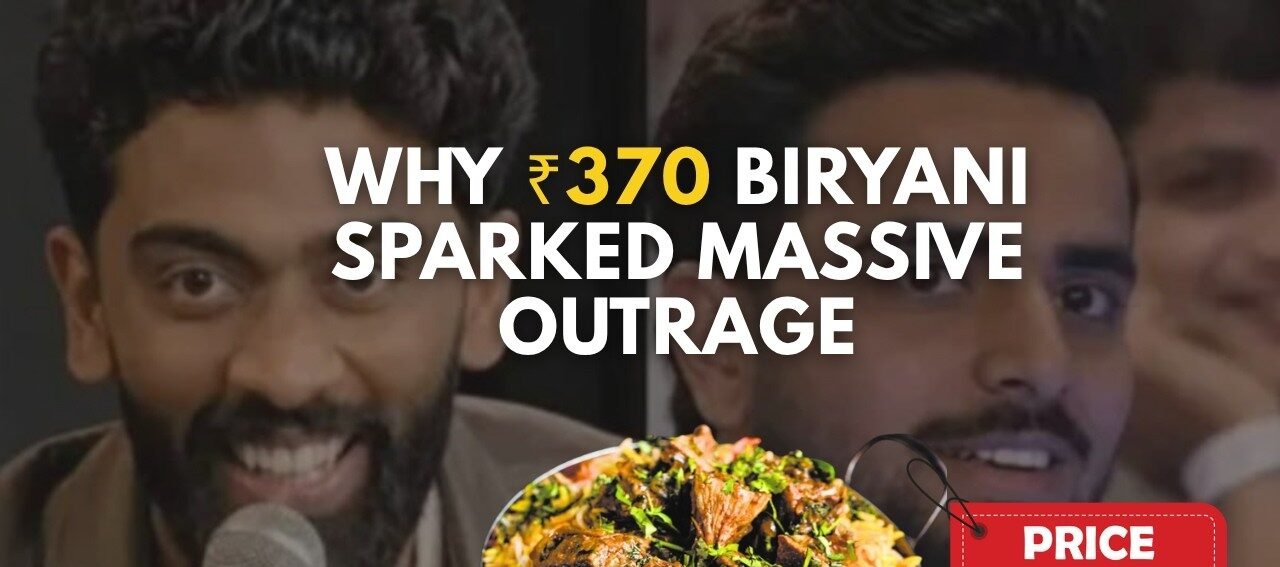
What Is the ₹370 Biryani Controversy?
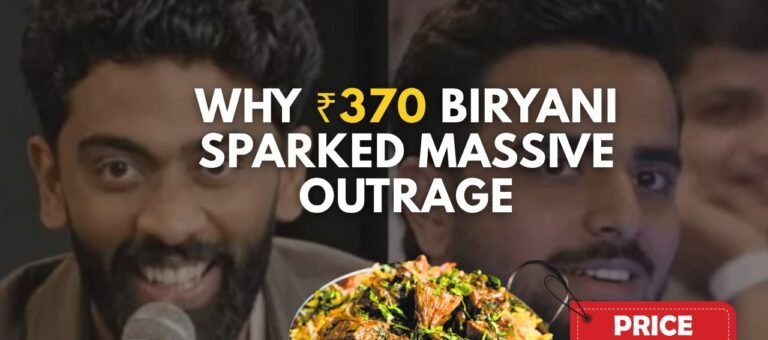
The ₹370 Biryani controversy has become one of the most discussed social media and entertainment stories in India in June 2026. What began as a crowd-work interaction during a stand-up comedy show quickly transformed into a national debate involving comedy, consent, accountability, and legal action. The controversy revolves around remarks made during a stand-up performance hosted by comedian Pranit More and comments allegedly made by audience member Himanshu Jangra.
The issue gained momentum after a video clip from a comedy event in Gurugram started circulating widely on Instagram, X, YouTube Shorts, and other social platforms. The clip featured a conversation that many viewers interpreted as normalizing or trivializing non-consensual behavior in a dating scenario. The reference to spending ₹370 on biryani and expecting something in return became the central focus of criticism. As millions viewed and shared the clip, public outrage intensified, turning a local comedy event into a national news story.
Table of Contents
How the Viral Clip Started
The controversy began during a crowd-work segment at one of Pranit More’s stand-up performances. During audience interaction, Himanshu Jangra reportedly narrated a dating incident involving a meal that cost ₹370. His comments were interpreted by many as suggesting entitlement to intimacy because he had spent money on a date. The audience reaction and the comedian’s response during the exchange became part of the criticism that followed.
Why the Video Triggered Public Outrage
The primary reason behind the backlash was the perception that the conversation appeared to make light of consent-related issues. Social media users, activists, and public figures argued that such remarks reinforce harmful attitudes about relationships and personal boundaries. Critics emphasized that paying for a meal never creates any obligation for intimacy or physical interaction. The video quickly became a flashpoint in broader discussions about gender sensitivity and responsible public communication.
Who Are Pranit More and Himanshu Jangra?
Pranit More’s Career and Online Presence
Pranit More is a stand-up comedian known for his crowd-work performances and online comedy content. Over the years, he built a significant following through live shows and digital platforms. His style often relies on spontaneous interactions with audience members, which can create memorable moments but also carry risks when controversial subjects arise.
Before the controversy, More had developed a growing reputation within India’s stand-up comedy circuit. Like many modern comedians, he depended heavily on social media engagement to expand his audience reach. The viral clip dramatically shifted public attention from his comedy career to questions regarding responsibility and moderation during live performances.
Himanshu Jangra’s Role in the Viral Incident
Himanshu Jangra became a central figure in the controversy after his comments from the audience interaction spread online. According to multiple reports, Jangra later expressed regret over the incident and stated that he used inappropriate words. He also claimed that parts of the story discussed on stage were exaggerated or improvised.
The controversy had serious consequences for him personally and professionally. Reports indicate that he faced significant online criticism and professional repercussions following the video’s viral spread.
Timeline of the ₹370 Biryani Controversy
| Event | Development |
|---|---|
| Comedy Show | Crowd-work interaction takes place |
| Viral Clip | Video spreads across social media |
| Public Backlash | Online criticism intensifies |
| NCW Action | National Commission for Women intervenes |
| Cyber Probe | Maharashtra Cyber launches investigation |
| FIR Registration | Legal proceedings begin |
| Apology Videos | Public responses from involved individuals |
Viral Spread Across Social Media
The speed at which the clip spread highlights the immense influence of short-form content in today’s digital environment. Within days, thousands of users had reposted the video. News portals, influencers, and social commentators joined the discussion, pushing the story into mainstream media coverage.
The algorithm-driven nature of modern social media amplified the controversy. Every reaction video, opinion thread, and news update increased visibility, ensuring that the story remained in public conversation for days. This phenomenon demonstrates how a single viral clip can reshape public perception almost instantly.
Public Reactions and Criticism
Public opinion remained sharply divided. Many people demanded accountability and stronger action against content perceived as promoting harmful attitudes. Others argued that context matters and questioned whether legal intervention in comedy performances was appropriate.
The debate soon expanded beyond the original clip. Discussions emerged regarding freedom of expression, audience responsibility, comedy ethics, and the role of digital platforms in regulating controversial content.
Maharashtra Cyber Cell Orders Probe
FIR Registration and Legal Action
The controversy entered a new phase when Maharashtra Cyber authorities registered a case concerning the viral content. Officials stated that the investigation was linked to allegedly objectionable material that had been circulated online. Summons were reportedly issued as part of the inquiry process.
The investigation significantly increased public interest because it transformed an online debate into a legal matter. Many observers viewed this development as evidence of growing scrutiny over content that reaches large digital audiences.
Laws and Sections Invoked
Reports indicate that authorities invoked provisions of the Bharatiya Nyaya Sanhita and the Information Technology Act while examining the matter. Officials stated that the investigation was focused on determining whether the content violated laws related to public decency and online dissemination of objectionable material.
NCW Steps Into the Controversy
Why the National Commission for Women Intervened
The involvement of the National Commission for Women marked a significant turning point. The commission reportedly took suo motu cognizance after the video gained widespread attention online.
According to reports, the NCW expressed concern that the remarks could be interpreted as trivializing coercive behavior and issues related to consent. The commission emphasized the importance of responsible public discourse, especially when content reaches millions of viewers.
Summons Issued to Key Individuals
The commission summoned both Pranit More and Himanshu Jangra for inquiry proceedings. This action reflected the seriousness with which authorities viewed the matter and further fueled public discussion. The summons became one of the most searched aspects of the controversy online.
Debate Around Consent and Comedy
Can Comedy Cross Ethical Boundaries?
Comedy has traditionally pushed social boundaries. Stand-up performers often discuss uncomfortable subjects to provoke laughter and reflection. Yet controversies like this demonstrate that audiences increasingly expect comedians to consider the social impact of their material.
The central question is not whether comedians can discuss difficult topics. Rather, it is whether certain comments unintentionally normalize harmful attitudes. Supporters of stricter accountability argue that jokes and crowd-work interactions can influence public perceptions, particularly among younger audiences.
Public Accountability in the Digital Era
The internet has fundamentally changed how comedy is consumed. A joke once heard by a few hundred people in a comedy club can now reach millions within hours. That reality creates new challenges for performers.
Public figures increasingly face scrutiny not only for what they say but also for how they respond to problematic statements made around them. The ₹370 Biryani controversy illustrates how accountability expectations have evolved in the age of viral content.
Reactions From Celebrities and Social Media
Supporters vs Critics
Public figures responded in different ways. Some defended Pranit More, arguing that he should be judged by his overall body of work rather than a single viral moment. Others criticized his reaction during the audience interaction and questioned the sincerity of later apologies.
Social media users were similarly divided. Some believed legal action was justified, while others worried about potential impacts on creative freedom and comedy as an art form.
Apology Videos and Damage Control
Both Pranit More and Himanshu Jangra later issued statements addressing the controversy. More released apology videos acknowledging mistakes and describing his reaction during the interaction as a lapse in judgment. Jangra also expressed regret and stated that he had used inappropriate language.
These apologies became major discussion points themselves, with supporters praising accountability while critics questioned whether the responses came only after public pressure intensified.
Impact on Careers and Reputation
Consequences for Himanshu Jangra
The fallout reportedly affected Jangra’s professional life. Reports indicate that he lost his job following the viral spread of the clip. Beyond employment consequences, he also faced intense online criticism and public scrutiny.
The situation demonstrates how viral controversies can have immediate real-world consequences. In today’s interconnected world, personal remarks made in public settings can rapidly influence careers and reputations.
Challenges Faced by Pranit More
For Pranit More, the controversy has become one of the biggest challenges of his career. His social media presence, public image, and future performances are now being viewed through the lens of this incident.
The case highlights the difficult balancing act comedians face between maintaining creative freedom and meeting evolving social expectations. Regardless of the final outcome, the controversy will likely remain a defining moment in discussions about Indian stand-up comedy.
What Happens Next?
The legal and administrative processes connected to the controversy are still developing. Investigations, hearings, and official reviews will likely determine whether any further action is taken. Observers across the entertainment industry are watching closely because the outcome may influence future conversations about online content, comedy performances, and digital accountability.
Conclusion
The ₹370 Biryani controversy has evolved from a viral comedy clip into a nationwide discussion involving law, ethics, gender sensitivity, and freedom of expression. What started as a crowd-work exchange at a stand-up show eventually attracted attention from authorities, social media users, celebrities, and national organizations.
The case serves as a reminder that words spoken in public spaces can have far-reaching consequences in the digital era. Whether viewed as a comedy controversy, a consent debate, or a legal issue, the incident has sparked important conversations about accountability and responsibility in modern entertainment. As investigations continue, the story remains one of India’s most closely followed viral controversies of 2026.
FAQs
1. What is the ₹370 Biryani controversy?
The controversy revolves around viral comments made during a stand-up comedy show involving Pranit More and audience member Himanshu Jangra, which many people interpreted as trivializing consent-related issues.
2. Why did Maharashtra Cyber launch a probe?
Authorities launched an investigation after viral clips were alleged to contain objectionable content related to women, consent, and public decency.
3. Did the NCW take action in the case?
Yes. The National Commission for Women reportedly took suo motu cognizance and summoned key individuals connected to the controversy.
4. Did Pranit More apologize?
Yes. Pranit More released apology videos and acknowledged mistakes related to his handling of the crowd-work interaction.
More Info About Famousbiographys