Ashoka Biography, Career, Books, Quotes & Philosophy
Emperor Ashoka—often known as Ashoka the Great—is one of the most iconic rulers in India’s long and influential history. Known for his monumental role in shaping the Ashoka Empire, promoting peace, spreading Buddhism, and setting governance standards that the world still admires,...
By Umesh Yadav · Published
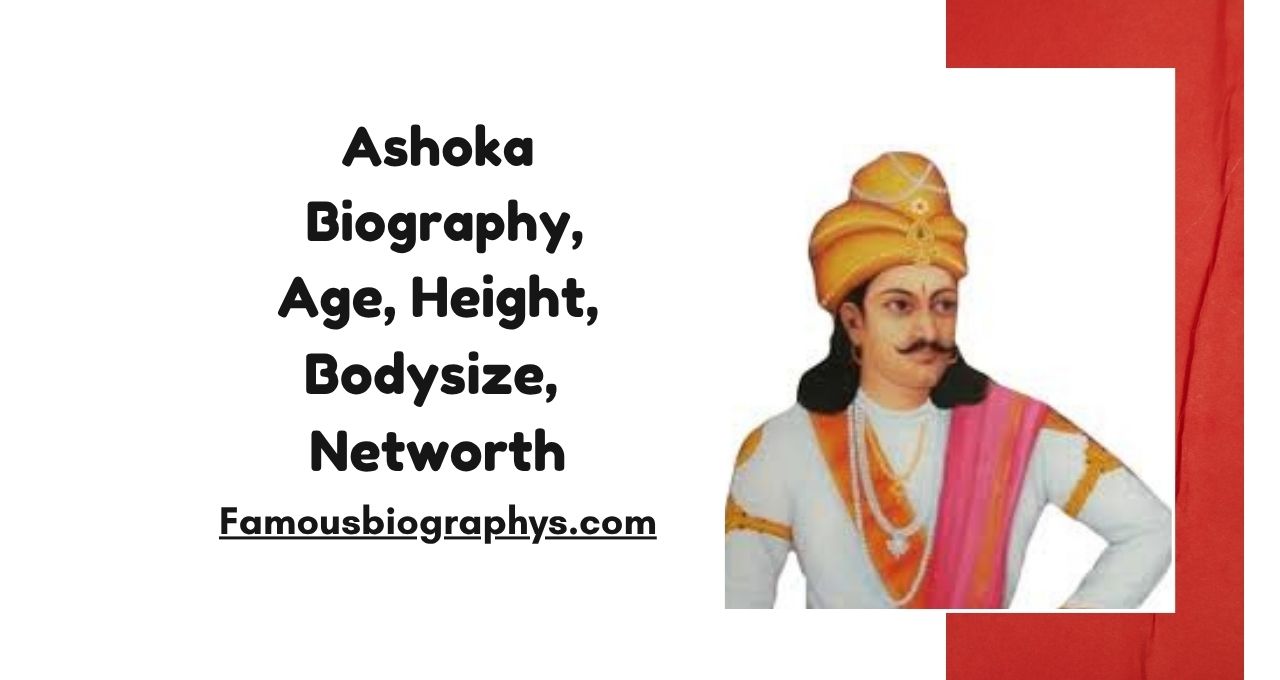
Emperor Ashoka—often known as Ashoka the Great—is one of the most iconic rulers in India’s long and influential history. Known for his monumental role in shaping the Ashoka Empire, promoting peace, spreading Buddhism, and setting governance standards that the world still admires, Ashoka remains a global symbol of compassion, leadership, and moral transformation.
Early Life of Ashoka
Ashoka was born in 304 BCE to Emperor Bindusara and Queen Subhadrangi of the Maurya dynasty. His childhood was shaped by political turbulence, strict training, and exposure to administrative affairs. Ashoka grew up with several siblings, including Susima, with whom he had a competitive relationship.
Education & Training
Ashoka’s education focused on:
- Warfare
- Administration
- Diplomacy
- Philosophy
- Statecraft
He was known for being extremely intelligent, strategic, and sharp-tongued—qualities that both intimidated and impressed the Mauryan court.
Ashoka’s Early Assignments
Before he became emperor, Ashoka served as:
- Governor of Ujjain
- Governor of Taxila
These cities were known for frequent rebellions, but Ashoka’s decisive leadership stabilized them quickly.
Ashoka’s Physical Appearance & Personality
Historical records and Ashoka inscriptions describe him as:
- Tall and well-built
- Brown complexion
- Sharp eyes
- High forehead
- Commanding presence
Personality Traits
Ashoka was:
- Brave
- Assertive
- Intense in decision-making
- Quick to act
- Emotionally complex
After the Kalinga War, his fierce nature transformed into compassion and non-violence.
Ashoka Maurya’s Rise to Power
After Bindusara’s death, the Mauryan throne became a battlefield of succession. While Susima was the preferred heir, Ashoka’s popularity among ministers and the military paved the way for him to ascend to the throne in 268 BCE.
Key Factors Behind His Rise:
- Administrative success
- Military victories
- Strong alliances
- Support from ministers
Ashoka was crowned the 3rd Emperor of the Maurya Empire, ruling for nearly 40 years.
Ashoka Empire Expansion
Under Ashoka, the Mauryan Empire expanded to its largest-ever size, covering nearly the entire Indian subcontinent.
Also read: Harry Gordon Selfridge Biography, Age, Education, Career, Awards & Achievements
Major Regions Under His Rule:
- Afghanistan
- Pakistan
- India
- Nepal
- Bangladesh
- Sri Lanka (influence)
Ashoka’s efficient administrative system included:
- Provincial governors
- Village councils
- A huge army
- Spies for internal monitoring
His empire stretched from the Himalayas to the Southern Peninsula.
The Turning Point – Kalinga War
One of the most significant events in world history is the Kalinga War (261 BCE).
Causes of War:
- Kalinga’s independence
- Strategic coastline
- Economic benefits
Aftermath:
- 1 lakh+ people died
- Thousands were displaced
- Landscapes destroyed
Ashoka was deeply affected by the violence, which led to his historic transformation.
Ashoka After Kalinga – The Emperor of Peace
After witnessing mass suffering, Ashoka embraced Buddhism and renounced violence.
Major Changes:
- Stopped war campaigns
- Promoted peace
- Built hospitals for humans and animals
- Encouraged tree plantation
- Laid roads and rest houses
He became the first global leader to implement ethical governance.
Ashoka’s Philosophy
Ashoka’s philosophy is centered on:
- Non-violence
- Religious tolerance
- Compassion
- Truth
- Charity
- Harmony
These principles were carved on Ashoka pillars for people to follow.
Ashoka’s Major Works & Achievements
Ashoka Pillars
Some famous pillars are:
- Sarnath Lion Capital (India’s national emblem)
- Allahabad pillar
- Lauriya Nandangarh
Stupas
He built 84,000 stupas across Asia to spread Buddhism.
Books & Literature Related to Ashoka
Ancient Sources:
- Ashokavadana
- Divyavadana
- Mahavamsa
Modern Books:
- “Ashoka: The Search for India’s Lost Emperor” – Charles Allen
- “The Edicts of King Ashoka” – Ven. S. Dhammika
Famous Quotes by Ashoka
Some inspiring quotes include:
“All men are my children.”
“The greatest victory is the conquest of oneself.”
“One must respect the beliefs of others.”
Family, Wives & Children
Ashoka had several wives, notable among them:
- Devi
- Kaurwaki
- Asandhimitra
His children included:
Also read: William the Conqueror Biography, Career, Books, Quotes & Philosophy
- Mahinda
- Sanghamitra – both instrumental in spreading Buddhism in Sri Lanka
- Tivala
- Charumati
Ashoka in Popular Culture
Ashoka’s life has been portrayed in:
- Bollywood film “Asoka”
- TV serials
- Documentaries
- Animated shows
Search Trends:
- Ashoka photo
- Ashoka cast
- Cast of Ahsoka (Star Wars universe—not related to Emperor Ashoka but popularly searched)
Ashoka Herb – Meaning & Uses
The Ashoka herb, derived from the Ashoka tree, is widely used in Ayurveda for:
- Women's health
- Menstrual regulation
- Skin benefits
- Reducing inflammation
It symbolizes strength and purity.
Ashoka Date of Birth and Death
- Date of Birth: 304 BCE
- Date of Death: 232 BCE
- Age at Death: Around 72
Ashoka died in Pataliputra after decades of service to peace and humanity.
Frequently Asked Questions (FAQs)
1. Who was Emperor Ashoka?
Ashoka was the 3rd ruler of the Maurya dynasty and one of India’s greatest emperors.
2. What is Ashoka famous for?
He is known for spreading Buddhism and creating principles of peace and tolerance.
3. When was Ashoka born?
Ashoka was born in 304 BCE.
4. What changed Ashoka’s life?
The Kalinga War was the turning point in his life, making him embrace non-violence.
5. How did Ashoka spread Buddhism?
Through inscriptions, stupas, missionaries, and pillar edicts.
6. What is the significance of the Ashoka Pillar?
The Sarnath lion capital is India’s national emblem.
Conclusion
Emperor Ashoka’s life represents transformation—from a fierce ruler to a global symbol of peace. His teachings, inscriptions, and policies influenced not only India but also Southeast Asian countries. Even today, Ashoka stands as a hero of moral governance, compassion, and humanity.
More Info About Famousbiographys
About Umesh Yadav
Avery leads editorial standards and oversees every story we publish. Previously ran entertainment desks at two national publications.
Comments