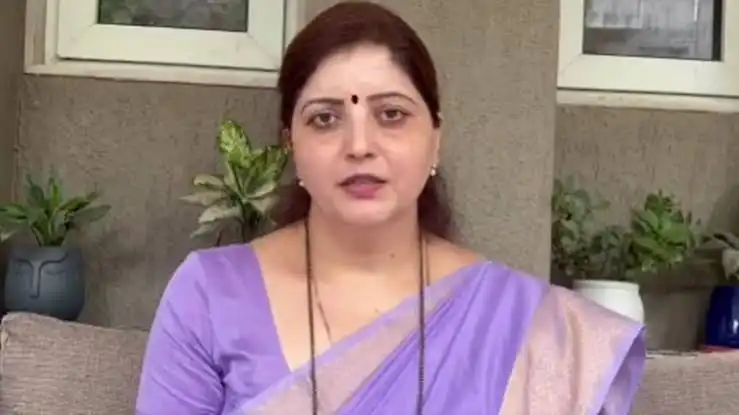
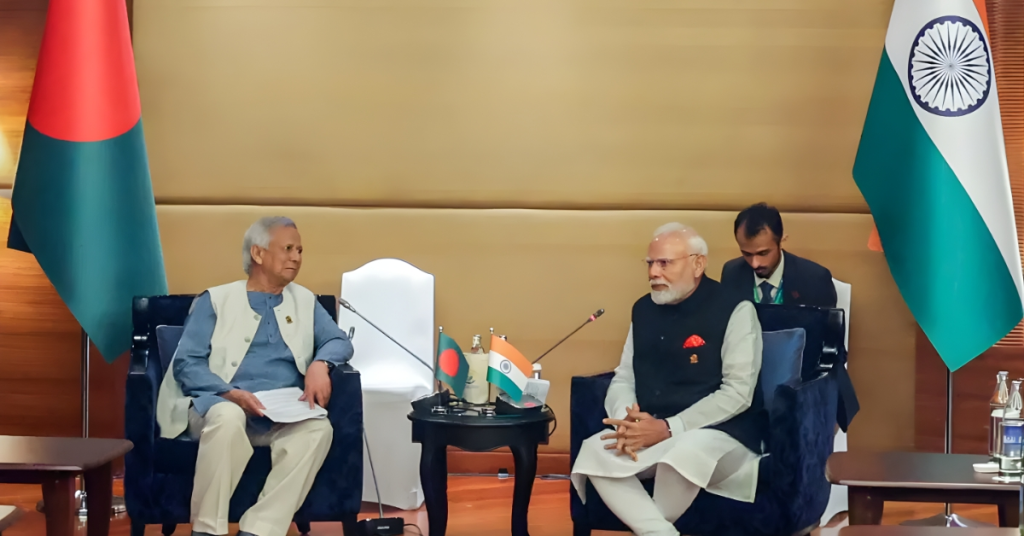
India has summoned Bangladesh High Commissioner Muhammad Riaz Hamidullah to the Ministry of External Affairs (MEA) in New Delhi, expressing grave concern over growing security threats to the Indian High Commission in Dhaka. The diplomatic move, made on December 17, 2025, signals a sharp escalation in India–Bangladesh tensions, driven by extremist rhetoric, political instability in Bangladesh, and alleged plots targeting Indian diplomatic assets.
Indian officials conveyed strong dissatisfaction with what they described as a deteriorating security environment and the failure of Bangladesh’s interim administration to adequately investigate or share evidence related to these threats.
Table of Contents
Why India Summoned the Bangladesh High Commissioner
During the meeting at South Block, the MEA highlighted credible intelligence inputs pointing to extremist groups planning disruptions around the Indian High Commission in Dhaka.
Key Concerns Raised by India
- Threats to the safety of Indian diplomats and staff
- Rise in anti-India rhetoric by political actors
- Lack of transparent investigations by Bangladeshi authorities
- Spread of false narratives regarding recent events
- Failure to share evidence or findings with India
India made it clear that diplomatic missions must be protected under international law, regardless of domestic political changes.
Security Threats to the Indian High Commission in Dhaka
According to Indian officials, radical elements in Bangladesh have been openly mobilizing and using public platforms to issue hostile statements against India.
Reported Threat Indicators
- Plans for protests and disruptions near Indian diplomatic premises
- Online calls for targeting Indian interests
- Escalation of nationalist and extremist messaging
India criticized the interim government in Dhaka for not acting decisively despite repeated warnings.
The ‘Seven Sisters’ Remark That Triggered Alarm
The diplomatic standoff intensified after Hasnat Abdullah, a leader of Bangladesh’s National Citizen Party (NCP), made inflammatory remarks at a rally in Dhaka.
What Was Said?
- Threatened to harbor anti-India forces
- Claimed Bangladesh could sever India’s northeastern states (the “Seven Sisters”)
- Framed India as an adversary during political mobilization
India categorically rejected these statements, calling them irresponsible and dangerous to regional stability.
Political Turmoil in Bangladesh: The Bigger Context
Bangladesh has been facing significant political uncertainty following the ouster of former Prime Minister Sheikh Hasina. The transition to an interim regime has coincided with:
- Rising street protests
- Radicalization of political discourse
- Increased targeting of foreign missions
- Growing anti-India sentiment
Indian officials emphasized that political instability cannot justify threats to diplomatic missions.
India’s Stand on Bangladesh Elections
Despite tensions, India reiterated its long-standing support for:
- Free, fair, and credible elections in Bangladesh
- Democratic processes without foreign interference
- Stability through peaceful political transition
India rejected allegations that it interferes in Bangladesh’s internal politics, calling such claims baseless and misleading.
Bangladesh’s Countermove: Summoning India’s Envoy
Earlier, Bangladesh had summoned India’s High Commissioner in Dhaka, objecting to alleged statements made by Sheikh Hasina from Indian territory and demanding her extradition.
India’s Response
- Rejected allegations of allowing anti-Bangladesh activities
- Stated it does not permit its soil to be used against neighbors
- Urged Bangladesh to focus on law and order
Recent Developments Escalating Tensions
| Issue | Development |
|---|---|
| Visa Services | India shut its Visa Application Centre in Dhaka indefinitely |
| Border Security | Restrictions imposed in Assam’s Cachar district |
| Diplomatic Safety | Heightened alert for Indian missions |
| Public Rhetoric | Surge in anti-India political messaging |
Indian authorities cited direct security threats as the reason for suspending visa services.
Implications for Regional Stability
Experts warn that prolonged India–Bangladesh tensions could impact:
- Cross-border trade
- Connectivity projects
- Regional counter-terror cooperation
- People-to-people relations
India stressed that while it values historical ties dating back to Bangladesh’s 1971 Liberation War, national security remains non-negotiable.
India’s Message to Dhaka
New Delhi conveyed three clear expectations:
- Immediate protection of Indian diplomatic missions
- Thorough investigation of extremist threats
- Responsible political discourse by Bangladeshi leaders
Failure to act, India warned, could further strain bilateral relations.
More Info About Famousbiographys