Northeastern Wisconsin Tornado: History, Recent Events, and Life-Saving Preparedness
When dark clouds roll across the Fox Valley and the sky takes on an eerie green hue, residents of northeastern Wisconsin know the drill: seek shelter, tune in to weather alerts, and prepare for the worst. Tornadoes are a reality of life in the Badger State, and nowhere is that mo...
By Umesh Yadav · Published
When dark clouds roll across the Fox Valley and the sky takes on an eerie green hue, residents of northeastern Wisconsin know the drill: seek shelter, tune in to weather alerts, and prepare for the worst. Tornadoes are a reality of life in the Badger State, and nowhere is that more evident than in the communities stretching from Green Bay to Appleton, from Door County to the shores of Lake Winnebago.
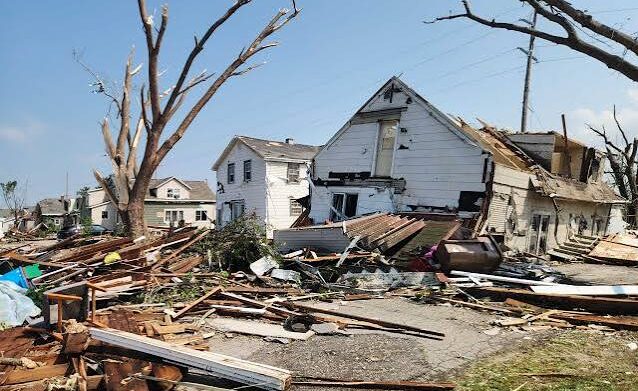
On July 27, 2026, that reality hit with devastating force. An "extremely dangerous" tornado tore through parts of Menasha and Appleton, ripping roofs off homes, flipping vehicles, and leaving more than 30,000 people without power. The National Weather Service issued a Particularly Dangerous Situation (PDS) tornado warning—the second-highest warning level—as the twister carved a path of destruction through the heart of the Fox Cities.
This comprehensive guide covers everything you need to know about northeastern Wisconsin tornadoes: recent events, historical patterns, the Enhanced Fujita Scale, life-saving safety tips, and expert-backed answers to your most pressing questions
Recent Tornado Events in Northeastern Wisconsin
July 2026: The Menasha-Appleton Tornado
The most significant tornado event in recent memory struck northeastern Wisconsin on July 27, 2026. The tornado touched down in Menasha, moved over Lake Winnebago, and dissipated after at least 20 minutes on the ground. The National Weather Service Green Bay office confirmed the tornado in Winnebago County, approximately 90 miles northwest of Milwaukee.
Key impacts included:
- Structural damage: Homes in Appleton and Menasha were completely destroyed, with roofs ripped off and exteriors stripped away
- Power outages: More than 15,000 customers lost power in Winnebago and Calumet counties, with over 18,000 affected in neighboring Outagamie County
- Infrastructure damage: Downed power poles, uprooted trees, flipped vehicles, and impassable roads
- Emergency response: Menasha Police Chief Matthew Albrecht urged residents to shelter in place as first responders assessed damage and searched for victims
Preliminary damage surveys rated the tornado at least EF-2 on the Enhanced Fujita Scale, with assessments continuing. NWS survey teams documented damage consistent with a strong EF2 tornado, including significant structural failures.
"So far, we're pretty comfortable saying we have an EF2 tornado at this point," said Phil Kurimski of the National Weather Service office in Green Bay.
Wisconsin Governor Tony Evers stated that the state "is ready to assist communities however we can". Winnebago County officials warned it could be several days before power was fully restored.
2025 Tornado Season: A Year of Records
The year 2025 was historically active for tornadoes across Wisconsin. The state recorded 39 confirmed tornadoes, ranking as the sixth-most on record since 1950. Northeastern Wisconsin saw its share of the action:
The May 15 outbreak was particularly significant, producing 15 tornadoes across the state, four of which were ranked at EF2 strength. In Dodge County, the communities of Mayville and Juneau suffered severe impacts.
"I just saw big old clouds coming in. All of a sudden, it was a green dark sky... and the power hit and there was no power," recalled Mayville resident Tristin Alberts.
Northeastern Wisconsin Tornado Climatology
How Common Are Tornadoes in the Region?
Wisconsin averages 23 tornadoes per year statewide. For northeastern Wisconsin specifically, the most active months are May through August, with June historically seeing the highest number of documented tornadoes.
Also read: Nana Patekar Dies at 75: Veteran Actor Suffers Cardiac Arrest at Goa Home
Key climatological facts:
- 80% of all Wisconsin tornadoes occur between May 1 and August 31
- Nearly 30% of all tornadoes occur in June
- The average tornado in Wisconsin lasts less than 10 minutes, travels about 5.5 miles, and is approximately 363 feet wide
- Wisconsin counties average between 5 and 10 severe thunderstorm warnings and one or two tornado warnings each year
Historical Significant Tornadoes
Since 1950, northeastern Wisconsin has experienced its share of powerful tornadoes:
| Rating | Count | Notable Events |
|---|---|---|
| EF-5 | 1 | Oakfield tornado (1996) |
| EF-4 | 6 | Various events across the region |
| EF-3 | 16 | Including Oneida and Vilas counties (F3, ~140 mph winds) |
| EF-2 | 65 | Including the 2026 Menasha-Appleton tornado |
"In the last 20 years, the state has fluctuated between as many as 62 tornadoes in 2005, and as few as four tornadoes for all of 2012."
The strongest tornado in Wisconsin's recorded history was the Oakfield EF-5 tornado of 1996, which remains the only EF-5 tornado ever documented in northeastern Wisconsin.
Understanding the Enhanced Fujita Scale
The National Weather Service uses the Enhanced Fujita (EF) Scale to rate tornado intensity based on damage indicators. Here's what each rating means:
| EF Rating | Wind Speed | Damage Description |
|---|---|---|
| EF-0 | 65-85 mph | Light damage: broken branches, shallow-rooted trees pushed over, minor roof damage |
| EF-1 | 86-110 mph | Moderate damage: roofs severely stripped, mobile homes overturned, exterior doors damaged |
| EF-2 | 111-135 mph | Significant damage: roofs torn off frame houses, mobile homes demolished, boxcars overturned |
| EF-3 | 136-165 mph | Severe damage: most walls collapsed in well-constructed homes, trains overturned |
| EF-4 | 166-200 mph | Devastating damage: well-constructed homes leveled, cars thrown |
| EF-5 | Over 200 mph | Incredible damage: homes swept away, school buildings destroyed, significant structural deformation |
The 2026 Menasha-Appleton tornado was rated at least EF-2, with winds estimated between 111-135 mph. The Door County tornado of August 2025 was rated EF-0, with peak winds reaching 73 mph.
Tornado Safety: What to Do Before, During, and After
Before a Tornado: Preparation
1. Know your safe spot
Pick a safe room in your home, such as a basement, storm cellar, or an interior room on the lowest floor with no windows. The safest place to be is in a safe room or storm cellar.
Also read: Onam Bumper 2026 Result: ₹30 Crore Winner Announced
2. Develop a severe weather safety plan
Create a communication plan with family and friends to ensure a safe meeting place in case of severe weather.
3. Assemble an emergency kit
Recommended items include:
- Water and non-perishable food (3-day supply)
- Flashlights and extra batteries
- First aid kit
- Battery-powered or hand-crank radio
- Cell phone with chargers
- Important documents in waterproof container
4. Stay weather-aware
Check your forecast regularly to see if you're at risk for tornadoes. Sign up for local emergency alerts and weather apps.
During a Tornado: Immediate Action
If you are in a permanent structure:
- Go to the lowest level of the building
- Get away from windows and exterior walls
- Crouch low on the ground, with your head down, and arms covering the back of your head and neck
- Use a mattress or heavy blankets for additional protection
If you are in a mobile home:
- Mobile homes are not a safe shelter location during a tornado
- Identify a safer structure to go to—a community shelter, nearby public building, or family/friends in sturdy structures
If you are in a vehicle:
- Vehicles are among the least safe options during a tornado
- Do not seek shelter under highway overpasses
- If possible, drive to the nearest sturdy shelter
If you are outdoors:
- Lie flat in a nearby ditch or depression and cover your head
- Be aware of flooding risks
After a Tornado: Staying Safe
- Stay indoors until authorities say it is safe
- Watch out for downed power lines—assume all are live
- Do not drive around road closures
- Check on neighbors and assist those who may need help
- Use caution when entering damaged buildings
- Document damage for insurance purposes (take photos)
- Listen to local officials for updates and instructions
Wisconsin Severe Weather Awareness
Wisconsin observes Severe Weather Awareness We
About Umesh Yadav
Avery leads editorial standards and oversees every story we publish. Previously ran entertainment desks at two national publications.
Comments